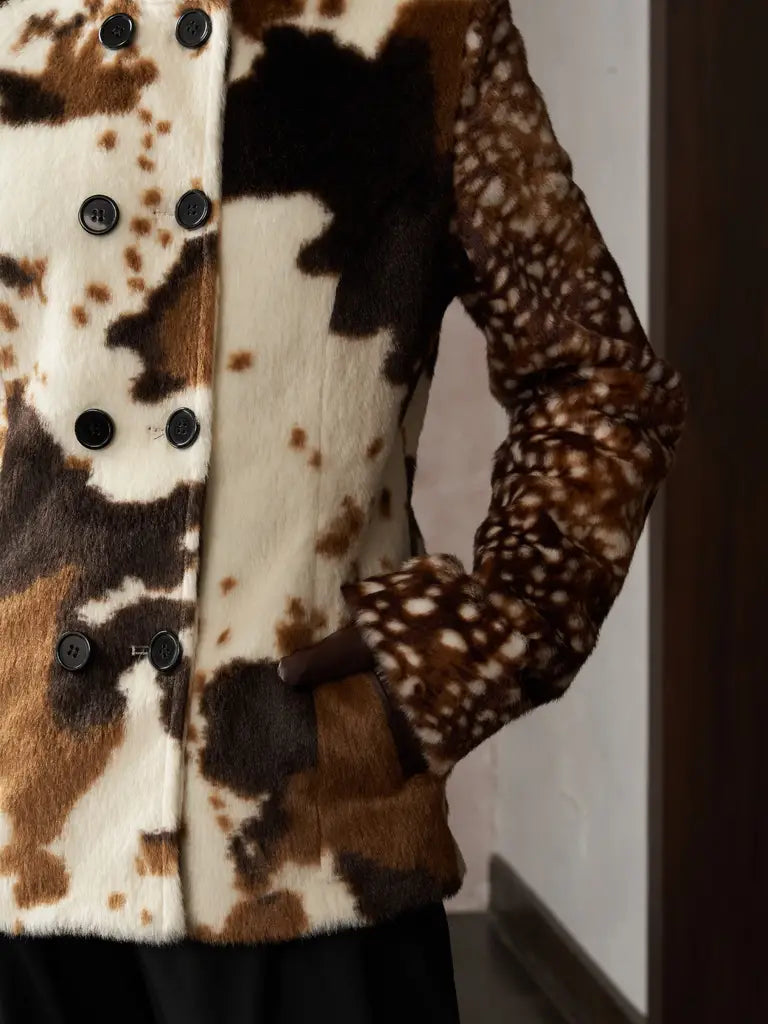
A sculptural jacket can change the posture of an entire day. It gives a familiar trouser-and-knit formula a sharper point of view, turns a quiet dinner look into an entrance, and makes even a rushed departure feel considered. Learning how to wear sculptural clothing is not about toning it down. It is about giving shape, proportion, and occasion equal attention.
Architectural dressing asks for intention, not excess. The piece already carries a visual idea through its cut, volume, tailoring, or texture. Everything around it should support that idea. When the balance is right, the result feels direct and effortless: a statement in movement.
Start With One Decisive Shape
The most wearable sculptural looks begin with one focal point. This may be a sharply constructed outer layer, a skirt with deliberate volume, or trousers with a strong line through the leg. Let that single element lead the outfit rather than competing with it.
A sculptural jacket, for example, needs room to be seen. Pair it with a fine knit, a clean shirt, or a close-fitting top that keeps the torso quiet. Add trousers or a skirt with a simple, uninterrupted silhouette. The contrast lets the jacket hold its form while the wearer remains the focus.
The same principle works in reverse. If the drama sits below the waist, choose a top with restraint. A polished knit or a precise sleeveless layer gives statement trousers the clarity they need. This is not a rule against mixing texture or volume. It is a question of hierarchy. Two strong shapes can work together when they are clearly related, but they demand more precision in proportion and color.
How to Wear Sculptural Clothing Through Proportion
Sculptural clothing is often described as bold, but proportion is what makes it feel livable. Consider where the garment creates volume, where it narrows, and where the eye comes to rest. A defined shoulder may call for a straighter leg. A voluminous skirt can feel especially modern with a closer, more minimal top. Wide trousers often gain presence from a short jacket or a tucked-in knit that establishes the waist.
Length matters as much as volume. When an outer layer is cropped or sharply cut at the hip, it can create a long, uninterrupted line below. When a coat or jacket is longer, a slim column underneath keeps the overall silhouette clean. There is no single ideal formula. A petite frame may prefer a more visible waist or a shorter hemline, while a taller wearer may enjoy the graphic impact of length on length. The goal is not to correct the body. It is to make the composition feel intentional.
Shoes complete that composition. A refined boot, pointed flat, or clean heel can extend the line of tailored trousers. With a fuller silhouette, a shoe with a defined toe or a substantial sole can ground the look. Delicate footwear can be beautiful, but it may disappear beneath a structured garment. Let the shoe either lengthen the line or give the look visual weight.
Keep the Foundation Quiet, Not Plain
Minimal does not mean anonymous. The base layers beneath an architectural piece should feel as considered as the statement garment itself. Think of a fine gauge knit against structured tailoring, a crisp shirt under a sculptural jacket, or a fluid top with suede corset trousers. The foundation creates ease. It also gives you more ways to wear the statement piece across a real week.
Color is one of the simplest ways to create cohesion. A tonal look in black, cream, charcoal, or deep brown allows cut and texture to do the speaking. This can be especially effective for work, travel, or any setting where you want presence without noise. A monochrome palette does not need to be perfectly matched. Slight shifts in tone add depth and make the look feel collected rather than prescribed.
For more contrast, keep it deliberate. A pale knit beneath dark tailoring, or a warm neutral against black, can sharpen the architecture of an outfit. Avoid introducing several competing colors when the silhouette is already complex. The most memorable looks often rely on one confident contrast rather than many small interruptions.
Choose Texture With a Clear Purpose
Sculpture is not created by shape alone. Tactile materiality changes how a garment reads in motion and at close range. Structured tailoring has a different authority beside soft knitwear. Suede can bring depth and warmth to a cleaner, more graphic outfit. The dialogue between surfaces is part of what makes architectural dressing feel dimensional rather than severe.
Aim for contrast that has a reason. A smooth, fitted layer can make a textured outer piece feel more precise. Soft knitwear can relax a tailored trouser. If both pieces have strong texture, simplify the silhouette and accessories so the look does not become visually crowded.
This is where personal preference matters. Some women are drawn to a fully tonal, textural composition. Others prefer one compelling garment against a nearly bare foundation. Both approaches can feel polished. What matters is that the outfit has space around its strongest idea.
Dress for the Life Around the Piece
A statement garment earns its place in a wardrobe when it moves beyond a single photograph or occasion. Before styling it, consider the rhythm of your day. Will you be in meetings, moving through an airport, stepping into a gallery opening, or going from dinner to a late reservation? Sculptural clothing should create presence without asking you to perform for it.
For daytime, anchor an architectural jacket or distinctive trousers with refined essentials: a knit, a crisp shirt, polished flats or boots, and a bag with a clean profile. The effect is composed but practical. In New York or London, this kind of dressing holds its own from morning meetings to an unplanned dinner.
For travel, build around repeatable pieces. A sculptural outer layer can elevate simple separates while offering a defined silhouette after hours in transit. Choose the pieces that feel good seated, layered, and carried through changing temperatures. The strongest travel wardrobe is not overloaded. It is a small study in contrast: structure against softness, impact against ease.
After hours, allow the same piece to become more pronounced. Swap the daytime knit for a closer-fitting top, reveal more skin through a neckline or sleeveless layer, or choose a sharper shoe. You do not need an entirely different outfit to create a different mood. Often, a shift in what sits beneath the structure is enough.
Edit Accessories With Restraint
Sculptural clothing already functions as an accessory in its own right. That does not mean jewelry and bags must disappear, but they should feel chosen, not accumulated. A single pair of sculptural earrings, a defined cuff, or a sleek bag can reinforce the line of the outfit. Several competing focal points can fracture it.
Pay attention to scale. A compact bag may look especially striking with a strong shoulder or generous sleeve because it gives the silhouette a crisp counterpoint. A larger bag can work beautifully with longer tailoring, particularly when the lines are clean. Avoid pieces that catch awkwardly on exaggerated seams, sleeves, or draped shapes. Function is part of the elegance.
The final check is movement. Raise your arms. Sit down. Walk at your natural pace. Notice whether the layers pull, whether the bag settles comfortably, and whether the shoes allow you to move with confidence. Sculptural dressing is most convincing when it looks like the wearer has somewhere to be.
A considered silhouette does not need a special occasion. Wear the jacket to the meeting. Wear the statement trouser on the flight. Let the structured piece meet the life already in motion. That is where architecture becomes personal.
Explore the HSW edit
Discover pieces from HSW that bring these styling ideas into your wardrobe.

